TERRAIN
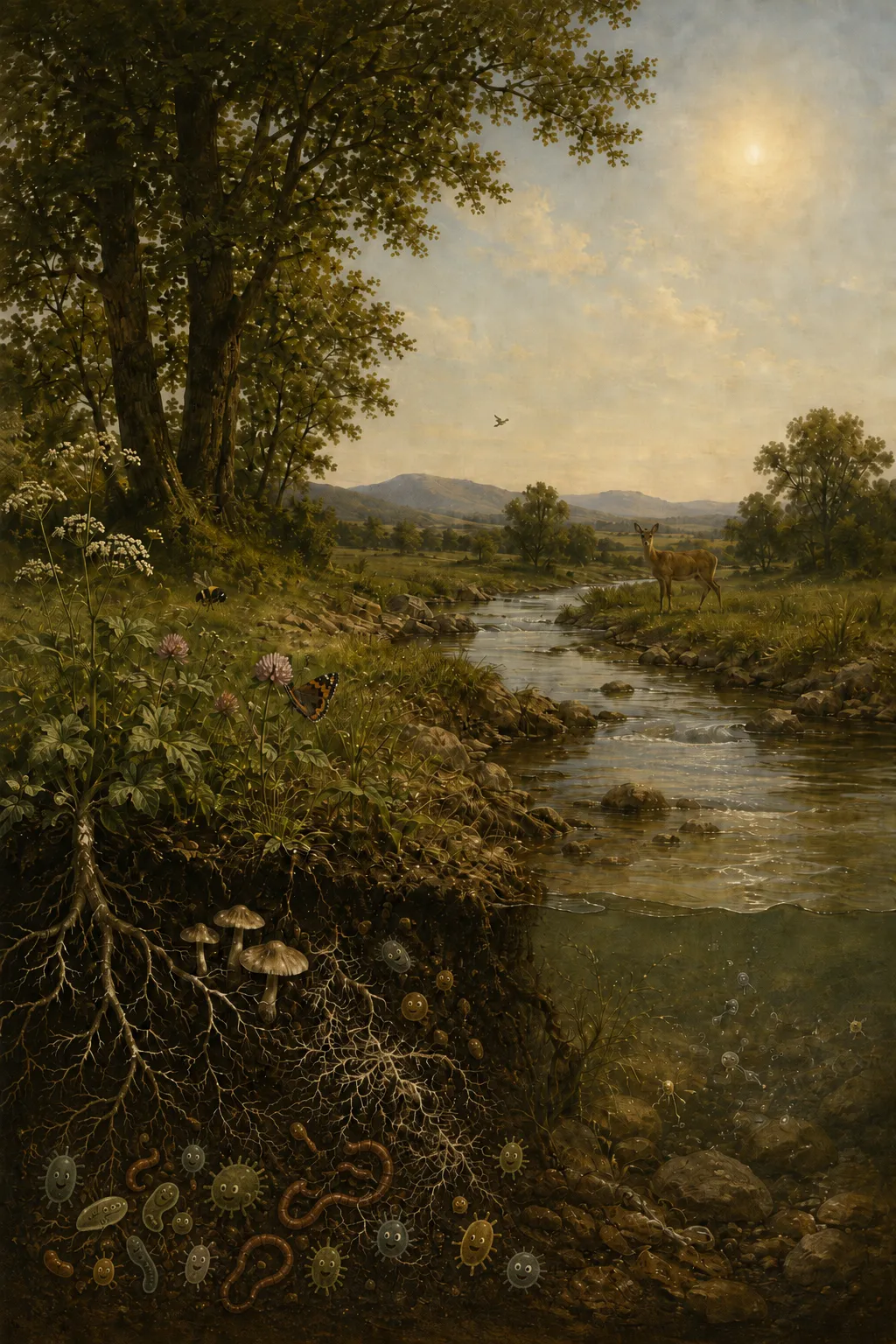
Bio-Terrain Model
Louis Pasteur
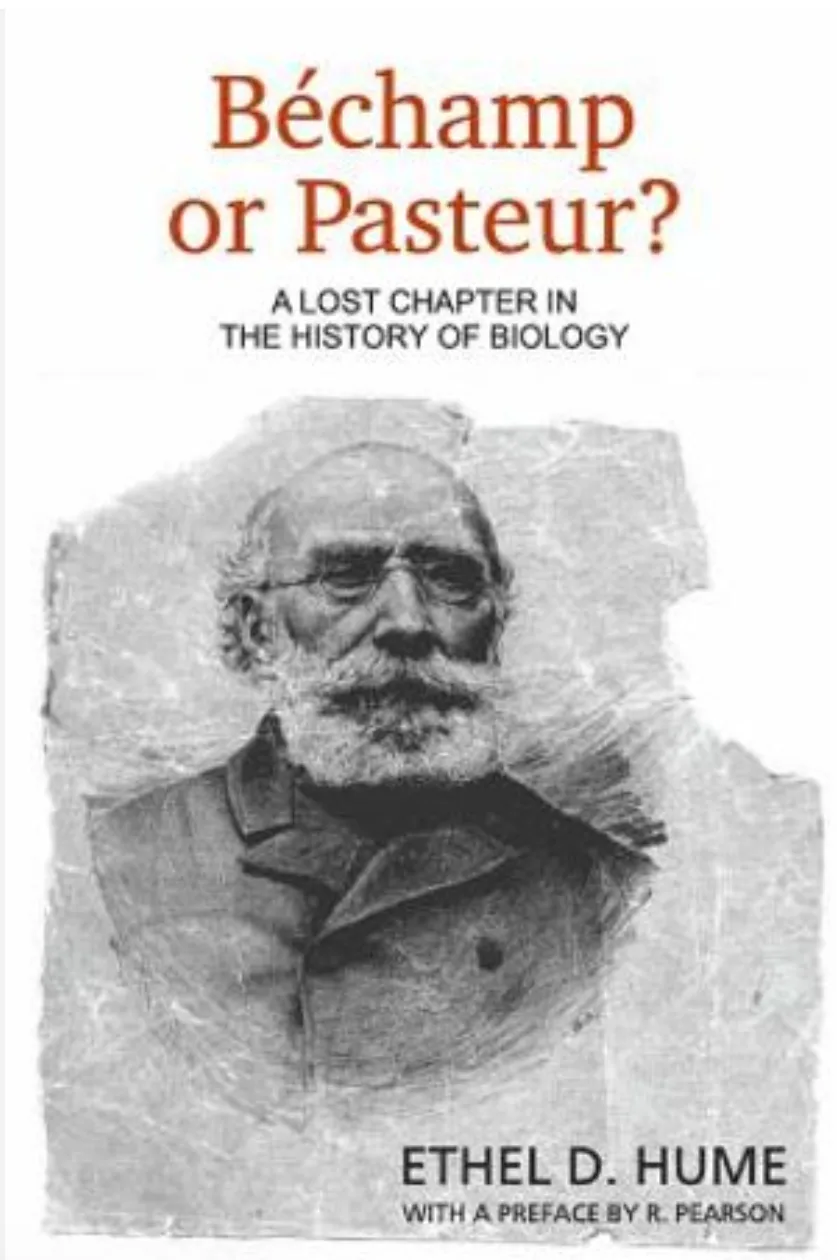
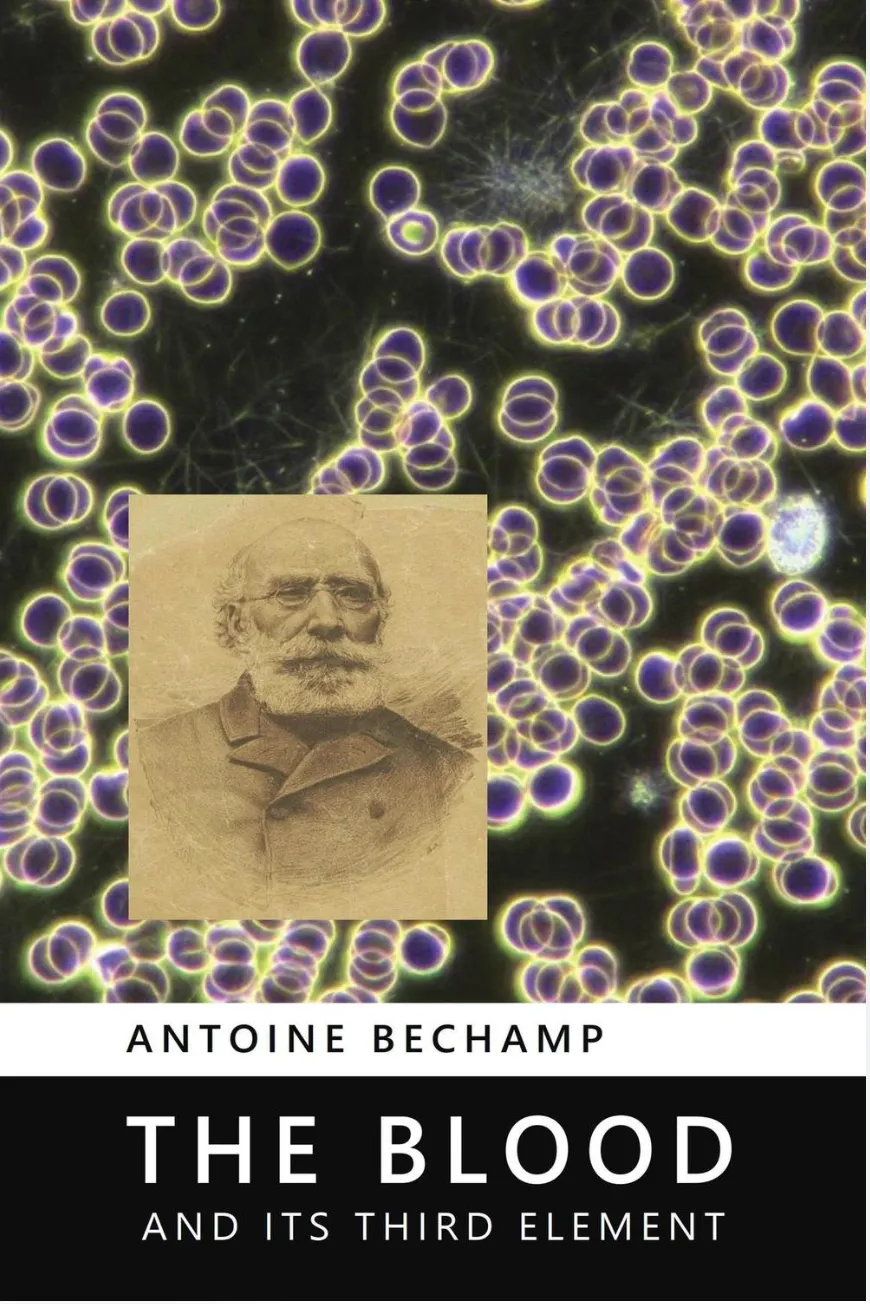
Antoine Béchamp
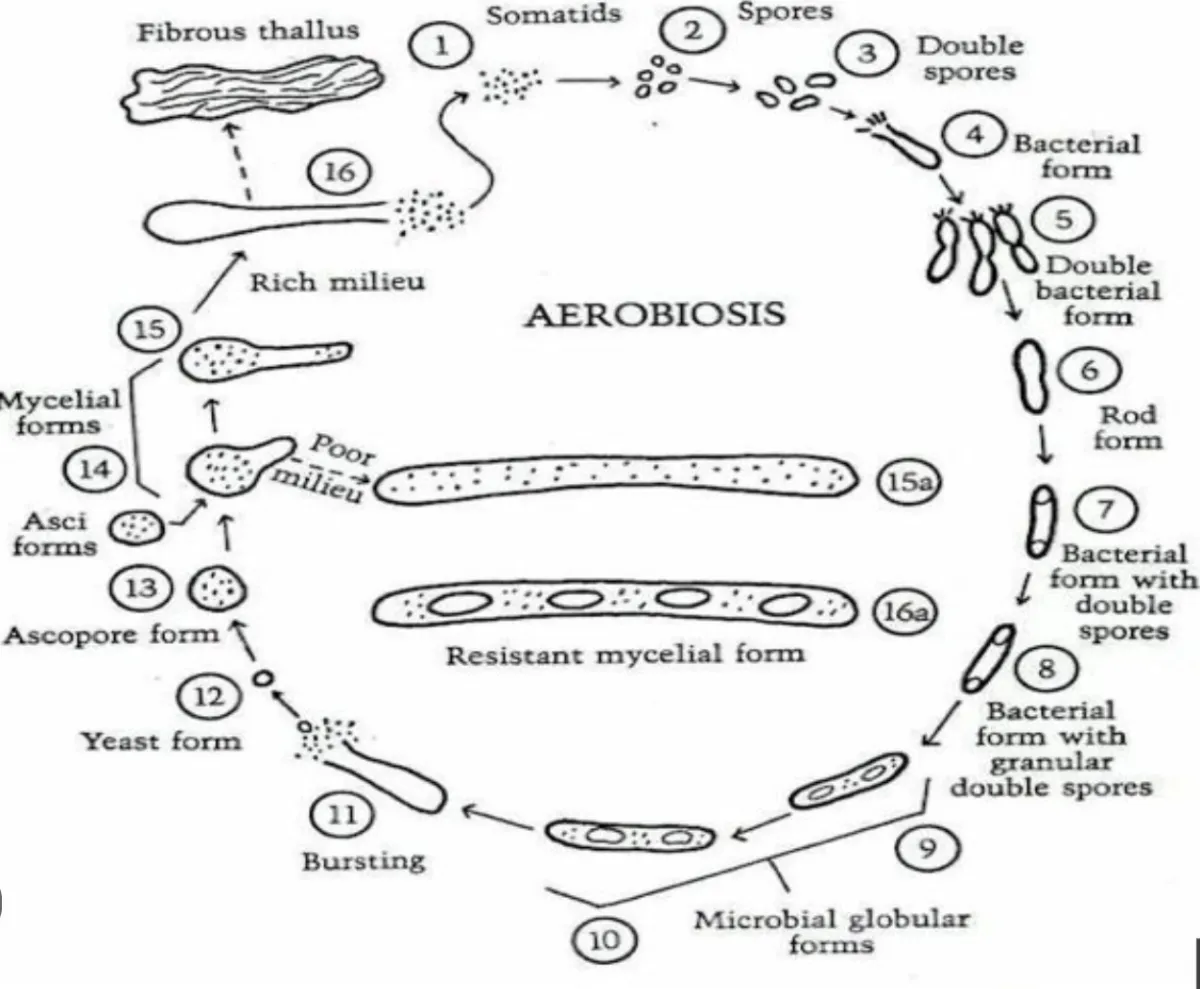
Pleomorphic Cycle
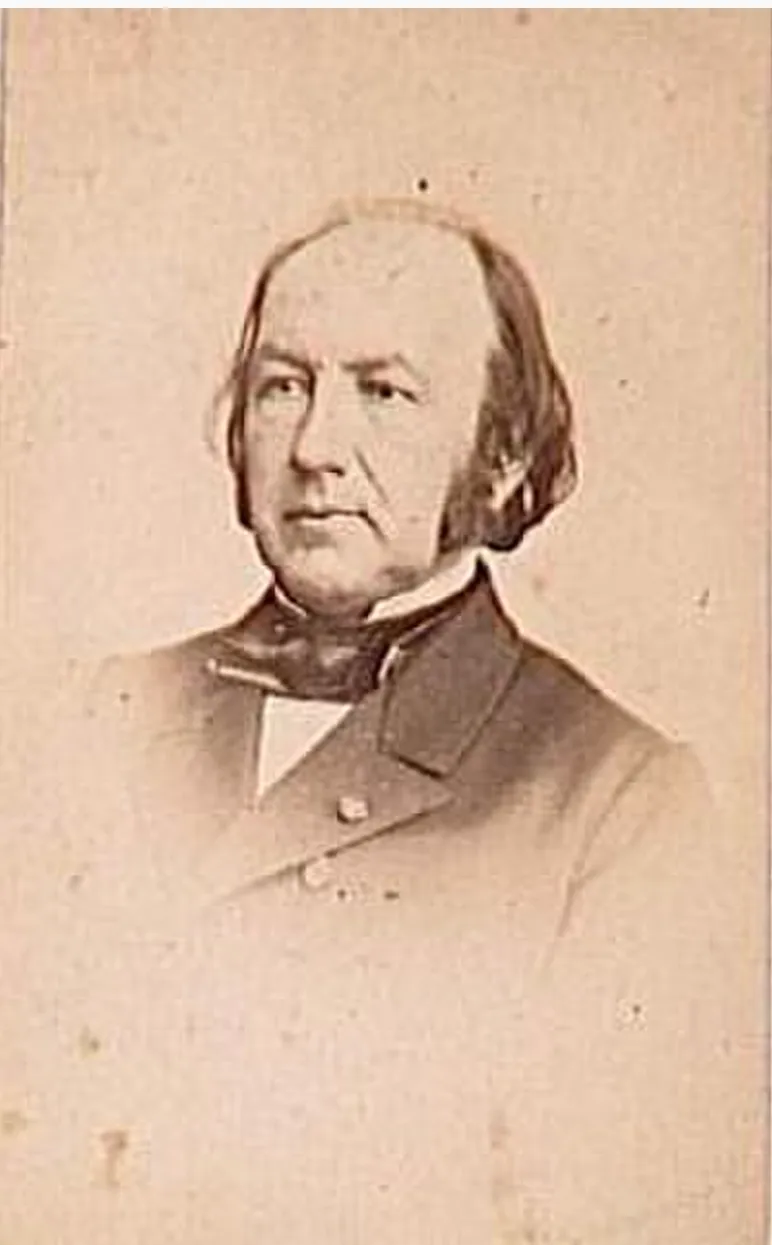
Claude Bernard
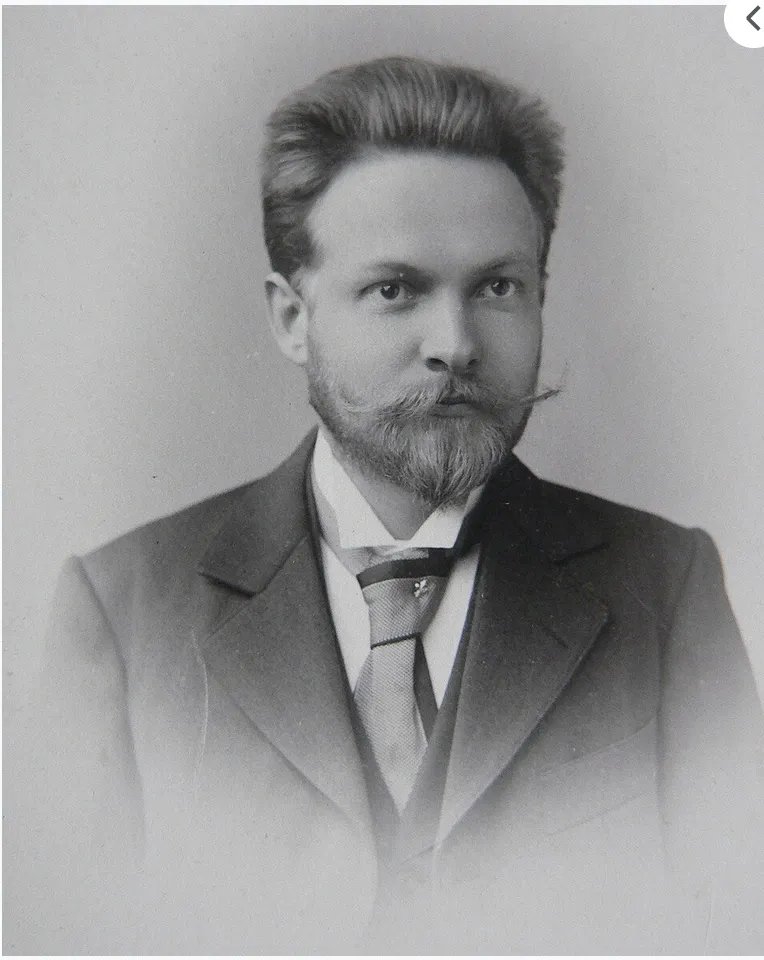
Günther Enderlein
Most likely, you were taught to fear germs, bacteria, and “viruses,” blaming them for sickness and disease. In the bio-terrain model, microorganisms are not understood as foreign enemies, but as natural participants in the ecology of life, helping support the body’s ongoing effort to restore balance. This model teaches something most of us were never taught: that microorganisms are endogenous, adaptive, pleomorphic, symbiotic, and responsive to the condition of the terrain that surrounds them. They need not be feared, but rather understood and respected.
The firefighter analogy is very useful here.
Would you blame the firefighter for starting the fire simply because he showed up where the house was burning? Of course not.
His presence is not proof of causation — it is evidence of a response.
Yet this is exactly how we’ve been taught to think about germs: because they are found at the scene, we assume they caused the issue. But blaming microbes for disease simply because they are present is like blaming firefighters for fires because they are always found near burning buildings.
To really wrap the mind around the bio-terrain model, one must go back to one of the great crossroads in the history of biology. In the 1800s, scientists were trying to understand microorganisms, fermentation, decay, infection, and the origins of illness. The microscope had opened a hidden world, and the question became: What are these tiny forms of life, and what role do they play in the body?
Two very different answers emerged.
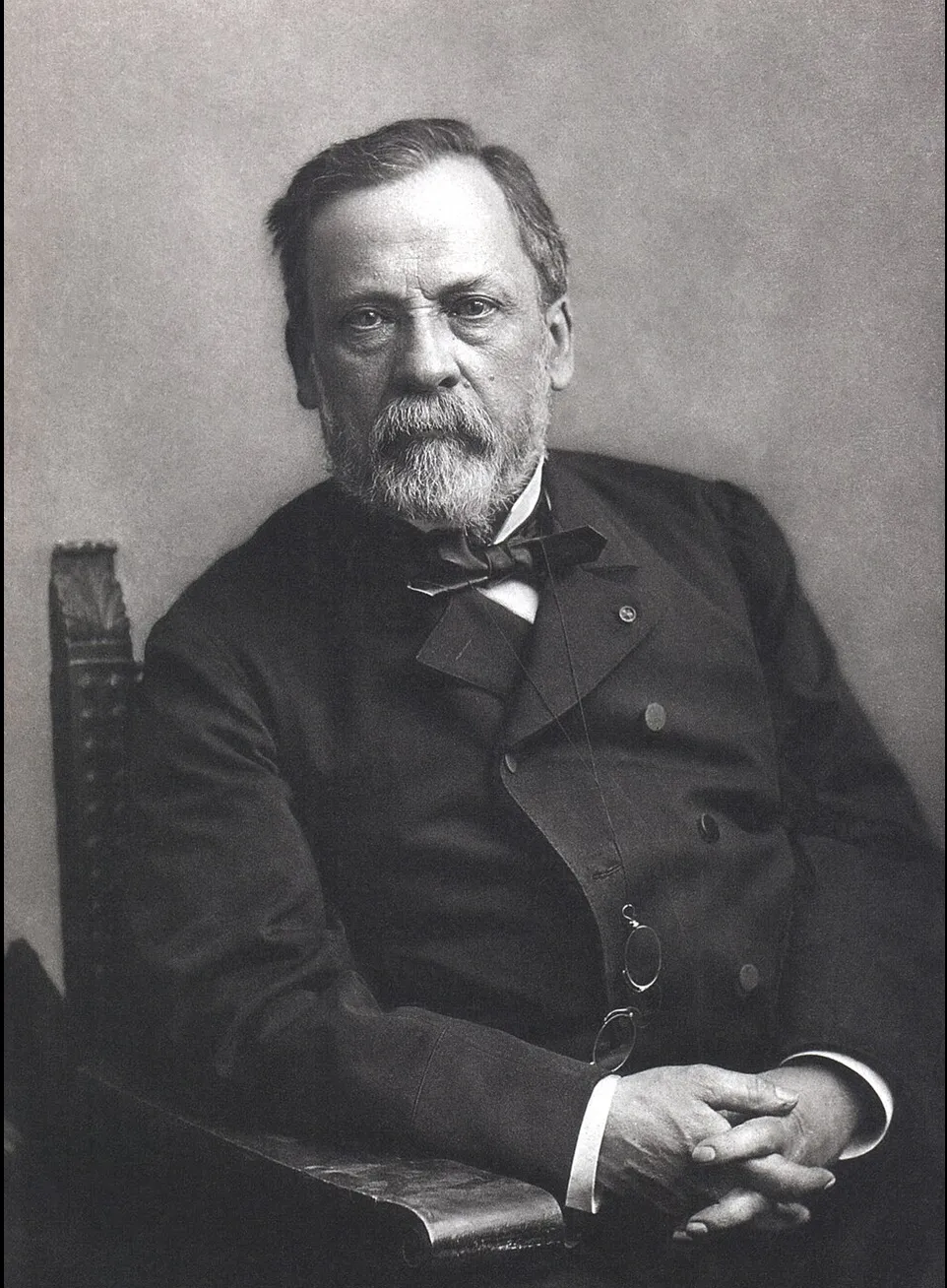
The first came through Louis Pasteur, the French chemist whose name became inseparable from germ theory, pasteurization, and the modern war-on-microbes worldview. Pasteur’s model placed the germ as the cause of illness. In this view, microorganisms were understood as external invaders — foreign, fixed in form, pathogenic by nature, and capable of attacking the body from the outside. This became the foundation for much of modern medicine: identify the germ, fight the germ, suppress the symptom, destroy the invader.
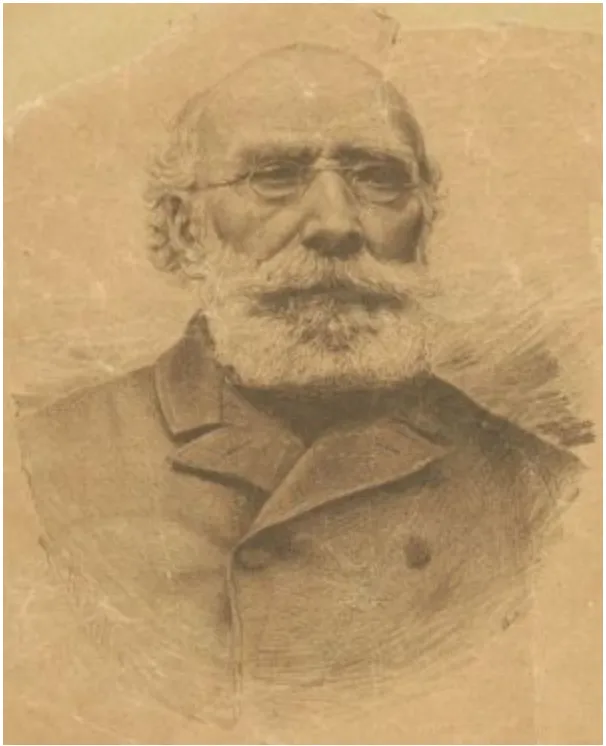
But there was another man, working during the same era, whose view of life was very different. His name was Antoine Béchamp.
Béchamp was a French scientist, chemist, biologist, pharmacist, and medical doctor. He studied fermentation, cellular life, and the microscopic world, but he came to a radically different conclusion than Pasteur.
Where Pasteur emphasized the germ, Béchamp emphasized the terrain.
Béchamp believed microorganisms could not be properly understood apart from the internal environment in which they appeared. To him, the body was not a passive victim waiting to be invaded. It was a living ecosystem. The condition of that ecosystem determined what forms of microbial life would appear, how they would behave, and what role they would play.
His direct observations with what he called microzymas pointed him toward this understanding. Béchamp used the term “microzyma” to describe tiny, granule-like organic particles already present in the blood, which he believed were the fundamental building blocks of life and the agents responsible for fermentation, tissue change, and decomposition.
He understood them as small units of life capable of morphing into various bacterial and fungal forms and taking on different roles depending on the condition of the internal environment. In other words, he was not looking at microbes as random invaders that suddenly attack from the outside. He was looking at a living inner ecosystem where microbial activity is endogenous and changes in response to the state of the terrain.
When the terrain is healthy, these forms participate in normal life and function. When the terrain breaks down, they may change shape, function or participate in processes like fermentation, tissue change, and decomposition.
In simple terms:
Pasteur saw the germ as the cause.
Béchamp saw the terrain as the cause behind the cause.
Pasteur saw microbes as fixed invaders.
Béchamp saw microbial life as symbiotic, adaptive, and shaped by the environment.
Pasteur’s model led to a medicine of war.
Béchamp’s model pointed toward a medicine of ecology.
And Béchamp was not alone.
Claude Bernard, one of the most respected French physiologists of the 19th century and a foundational figure in modern experimental medicine, gave language to this same idea when he spoke of the milieu intérieur — the internal environment of the body.
Bernard understood that life depends on the stability, quality, and regulation of the fluids and conditions surrounding the tissues of the body. The tissues live within an inner sea, and the quality of that inner sea matters more to health than almost anything else.
Later, Günther Enderlein, a German microbiologist and zoologist, expanded terrain thinking through his work on pleomorphism — the idea that microorganisms may shift form and function according to the condition of the internal environment. His work became foundational to isopathic medicine.
Gaston Naessens, a French-Canadian researcher and inventor who later worked in Québec, continued this line of inquiry. Naessens is mainly known for three things: developing a specialized microscope called the somatoscope, observing tiny living particles in blood that he called somatids, and proposing the somatid cycle, where these forms change depending on the condition of the internal terrain.
Different men. Different eras. Different methods. But the same central theme: The body is not a battlefield trying to ward off external enemies. It is a living ecosystem, already home to countless microorganisms that live symbiotically within us and respond to the changing conditions of their environment — the terrain.
That is the reversal at the heart of the bio-terrain model.
It does not reduce health to the presence or absence of a germ. It looks at the condition of the whole internal environment — nourishment, toxicity, drainage, stress, structure, and emotion. Because health expresses according to the conditions around it. And when the conditions change, the expression of health changes with them.
This perspective is empowering because it reminds us that health is not something we are helplessly waiting to lose at the mercy of microscopic enemies. The body was designed to be intelligent, adaptive, resilient, and responsive. When we tend the terrain properly, we create the conditions for vitality and reclaim our role as active stewards of our own health.
But to tend the terrain well, we first have to understand what disrupts it. The terrain model recognizes three primary sources:
Toxicity = too much of what does not belong, excesses
Toxicity represents a buildup of waste that the body must neutralize, buffer, eliminate, or protect itself from.
Deficiency = too little of what life requires, a lack of resources
Deficiency is what the body, mind, heart, or spirit requires but is not receiving in sufficient quality, rhythm, or amount.
Stagnation = flow is life, flow is health, and stagnation is dis-ease
Stagnation is what is not moving, flowing, expressing, resolving, or completing. This can be physical (restricted structural and fluid flow) or metaphysical (emotional suppression, unresolved trauma, spiritual emptiness).
The terrain philosophy brings our attention back to these foundational imbalances: minimizing toxicity, replenishing deficiency, and faithfully addressing the stagnation that keeps life, health, and energy from flowing freely.
Antoine Béchamp
Louis Pasteur
Claude Bernard
Günther Enderlein
Pleomorphic Cycle
Disclaimer: The information, teachings, services, and materials shared through this website reflect my personal philosophy, education, research, observations, and experience in natural wellness and holistic living. They are provided for educational, informational, and general wellness purposes only and are not intended as medical advice, diagnosis, or treatment. I am not a licensed medical provider, and the information on this website is not intended to replace a one-on-one relationship with a qualified healthcare professional, nor is it intended as medical advice. I encourage you to research, ask questions, and make your own informed healthcare decisions in partnership with appropriately qualified professionals. Always consult your physician or other licensed provider before making changes to prescribed medications, treatments, or healthcare plans, particularly if you are pregnant, nursing, taking medication, or managing a medical condition. No medications are prescribed, altered, or discontinued through these offerings. Any herbal, nutritional, isopathic, homeopathic, energetic, or lifestyle suggestions are offered solely as general wellness support. Statements regarding products have not been evaluated by the FDA and are not intended to diagnose, treat, cure, or prevent any disease.
CONTACT ME
FOLLOW ME


©Copyright 2026. Know Thy Healing. All Rights Reserved.